



The advantages & disadvantages of Anti-Glare (AG)
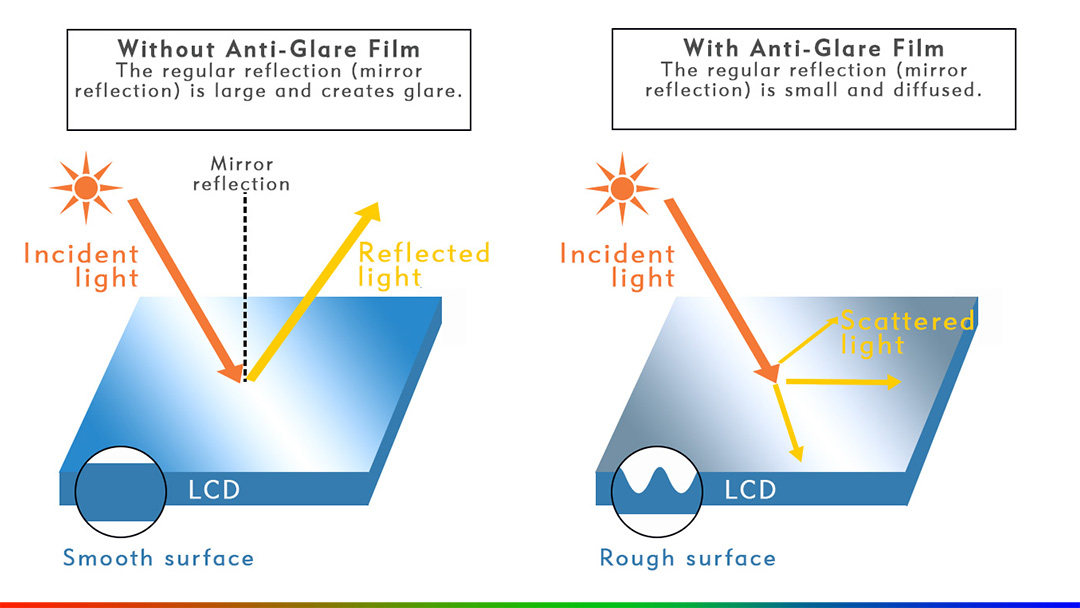
Anti-glare (AG) is a special surface finish that is used to reduce reflections on displays. Polarizers that are already equipped with an AG coating are often used in the manufacture of displays.

Anti-glare (AG) is a special surface finish that is used to reduce reflections on displays. Polarizers that are already equipped with an AG coating are often used in the manufacture of displays.
For some time now, the challenging market situation has kept us on our toes, showing us on a daily basis that the world does not stand still - no matter what! Not even when major industrial nations have been in lockdown again and again for a year and a half. Quite the opposite: for many developments, the resulting circumstances have even acted as a catalyst.
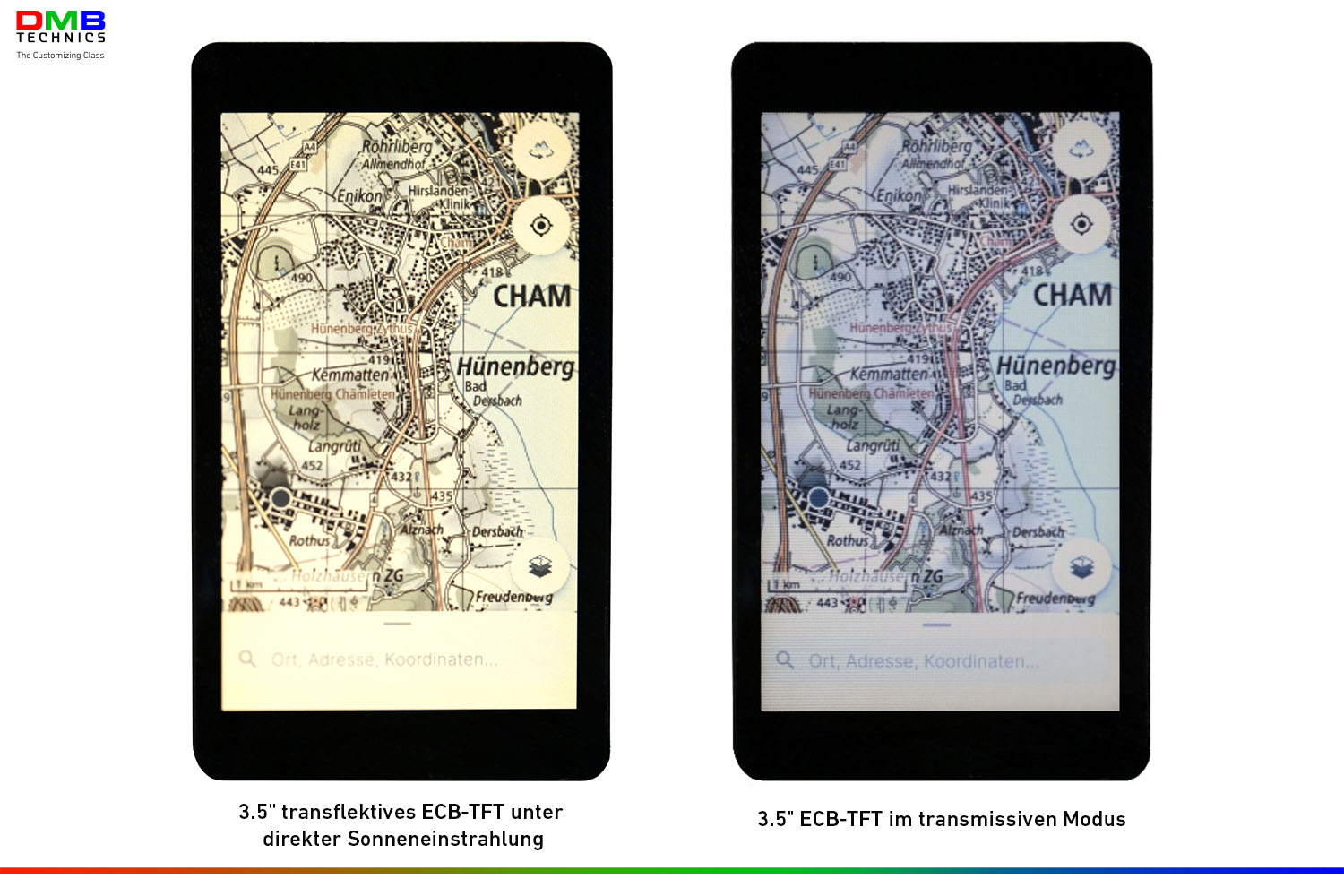
The market for e-mobility displays has grown recently. The potential applications in this field require high demands on readability - the so-called sunlight readability of the displays - in different light conditions, such as direct sunlight.
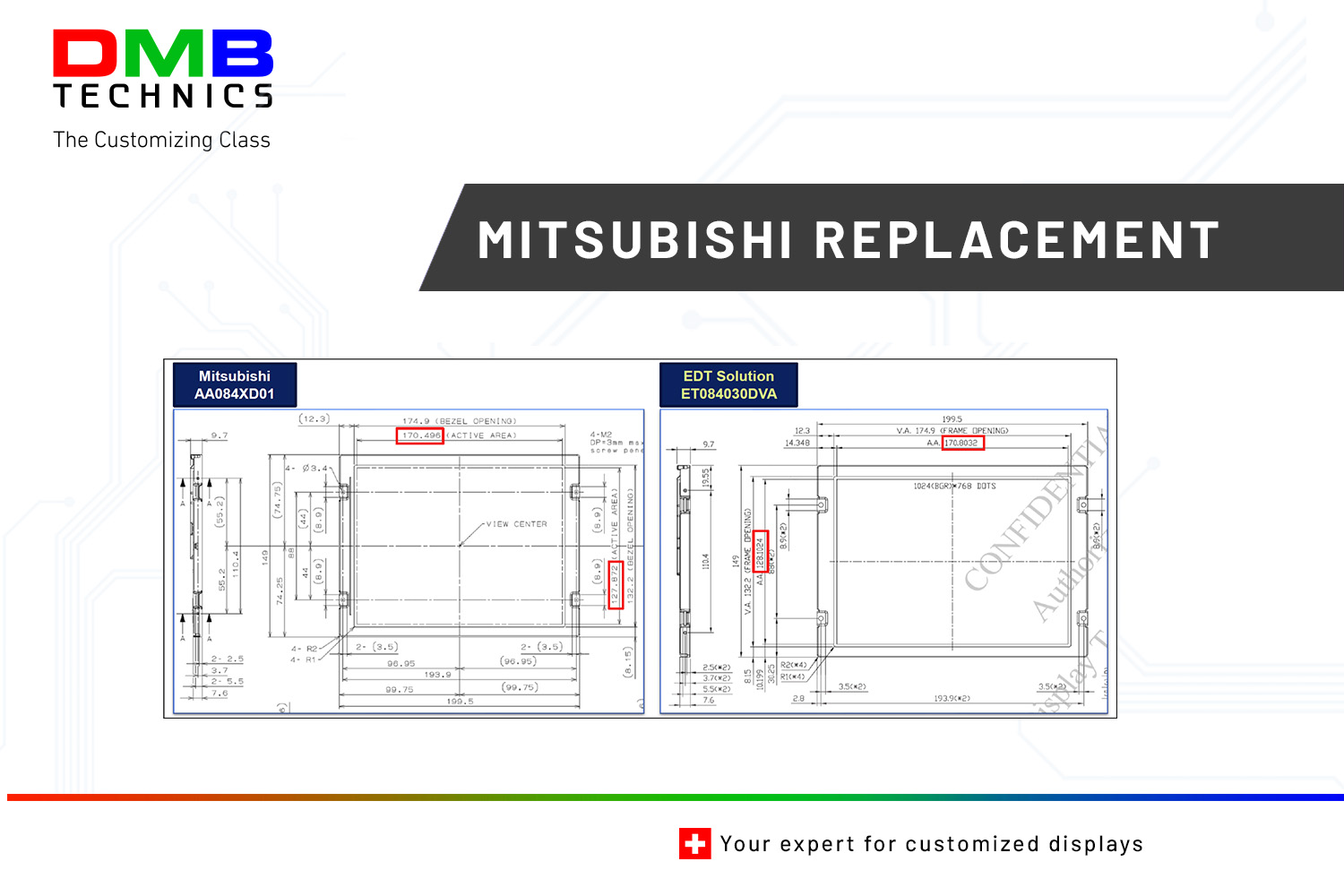
Since last summer it has been known that Mitsubishi Electric will no longer produce TFT and LCD displays in its production facility in Japan from June 2022.
Since last autumn, we have been dealing with rising prices and delivery times in the entire electronics market. This trend is also affecting the display industry and is continuing. One of the main causes is the worldwide strong increase in demand for consumer
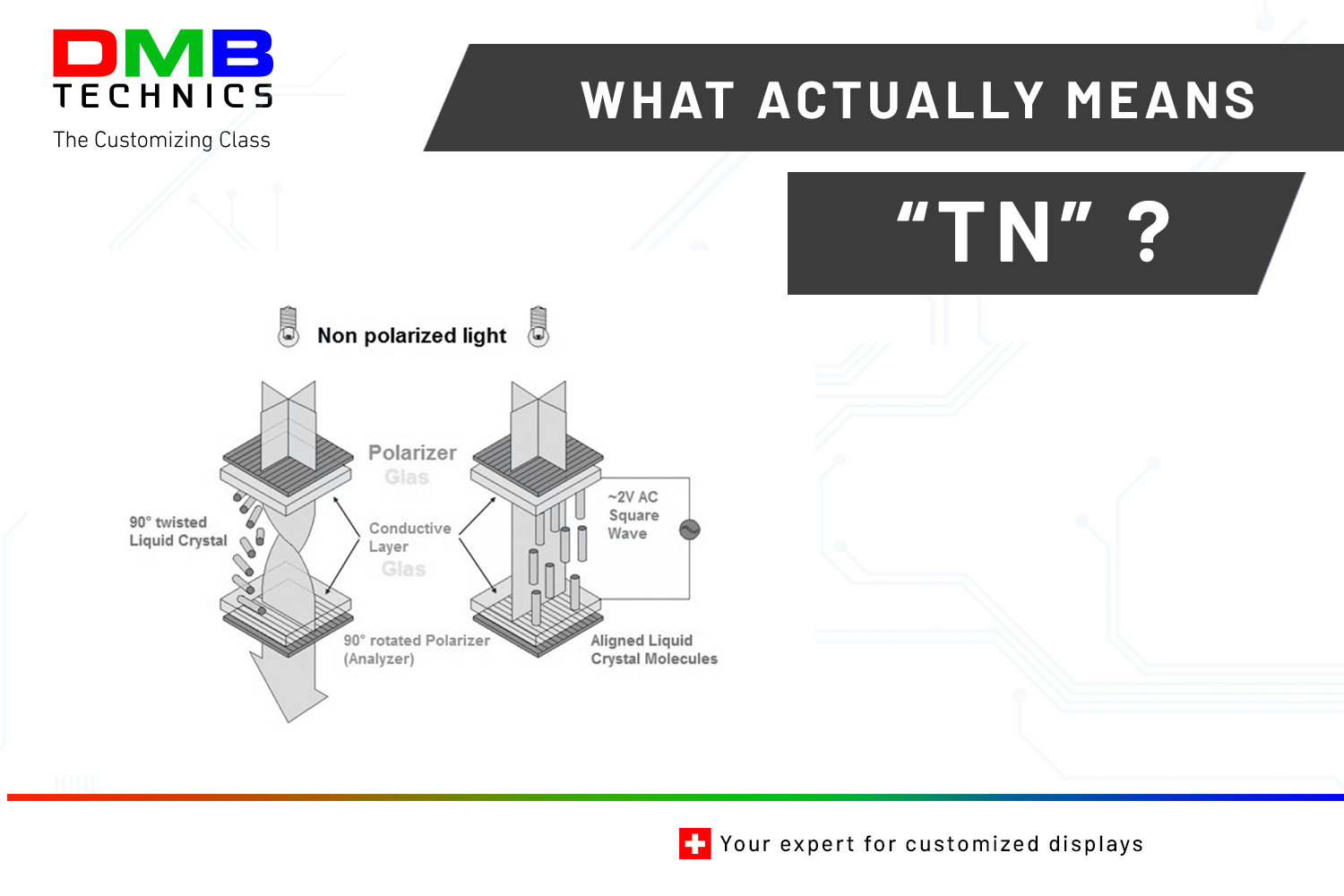
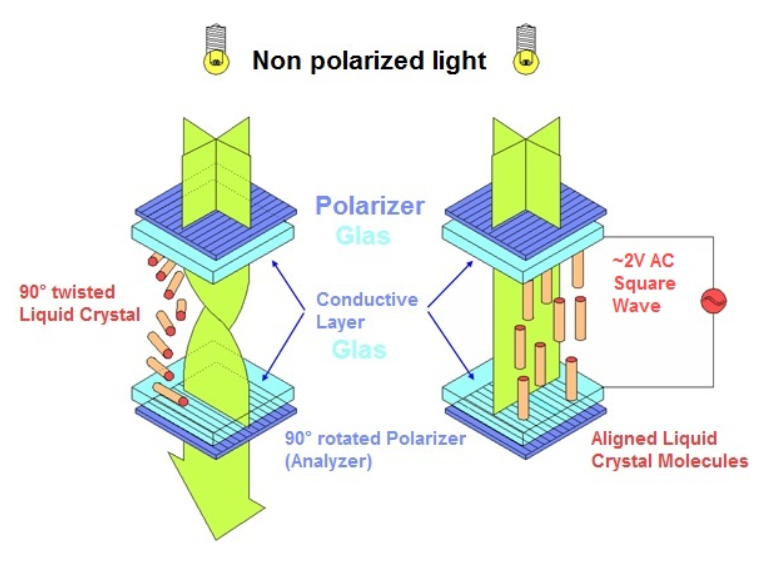
The most common of all LCD technologies is TN (twisted nematic) technology. A TN display consists of several TN cells that function like a kind of water tap in which light flows instead of water.
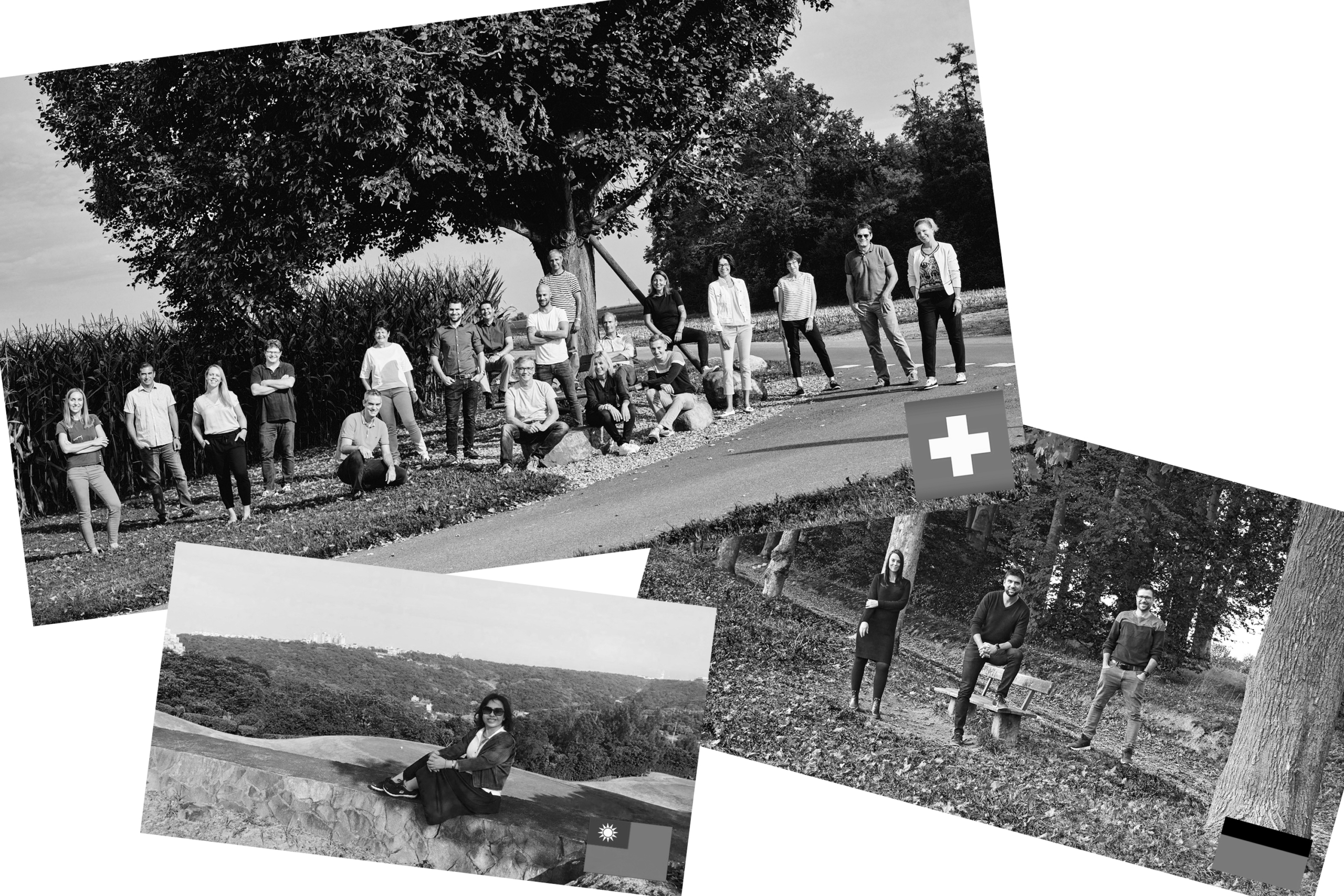
Exactly 15 years ago today, DMB Technics was founded by three display pioneers. In the meantime, there are 26 employees. Together, they realise unique display solutions time and again.
As is clearly visible in the current market situation, prices and delivery times for IC controllers and TFT glasses are increasing massively. From experience we have to assume that this situation will probably last for months and thus also affect the year 2021.
Round TFT displays are usually only associated with wearables known from the consumer sector. Meanwhile, however, these are also in great demand in the industry, because here, too, special image formats are increasingly required, not only for design reasons (link to Bartype article).
IPS-panel (In-Plane Switching) is a panel- technology which originally was a result of improving another well-known panel- technology, the TN-panel (Twisted Nematic). Due to the molecule-structure of the TN- panel, one of the downsides of this technology is the well-known limited viewing- angle in particularly one angle showing colour-inversion. This shift in colour and contrast is related to how light is guided through the panel. In the IPS-panel, the molecule-structure is organised differently as they are parallel to the glass of the panel. As a result of this, the viewing angle is much more uniform, there is practically no colour-inversion and the contrast improved.